BusinessPolitical leaning: CentristProfile last reviewed: 2026-07-30
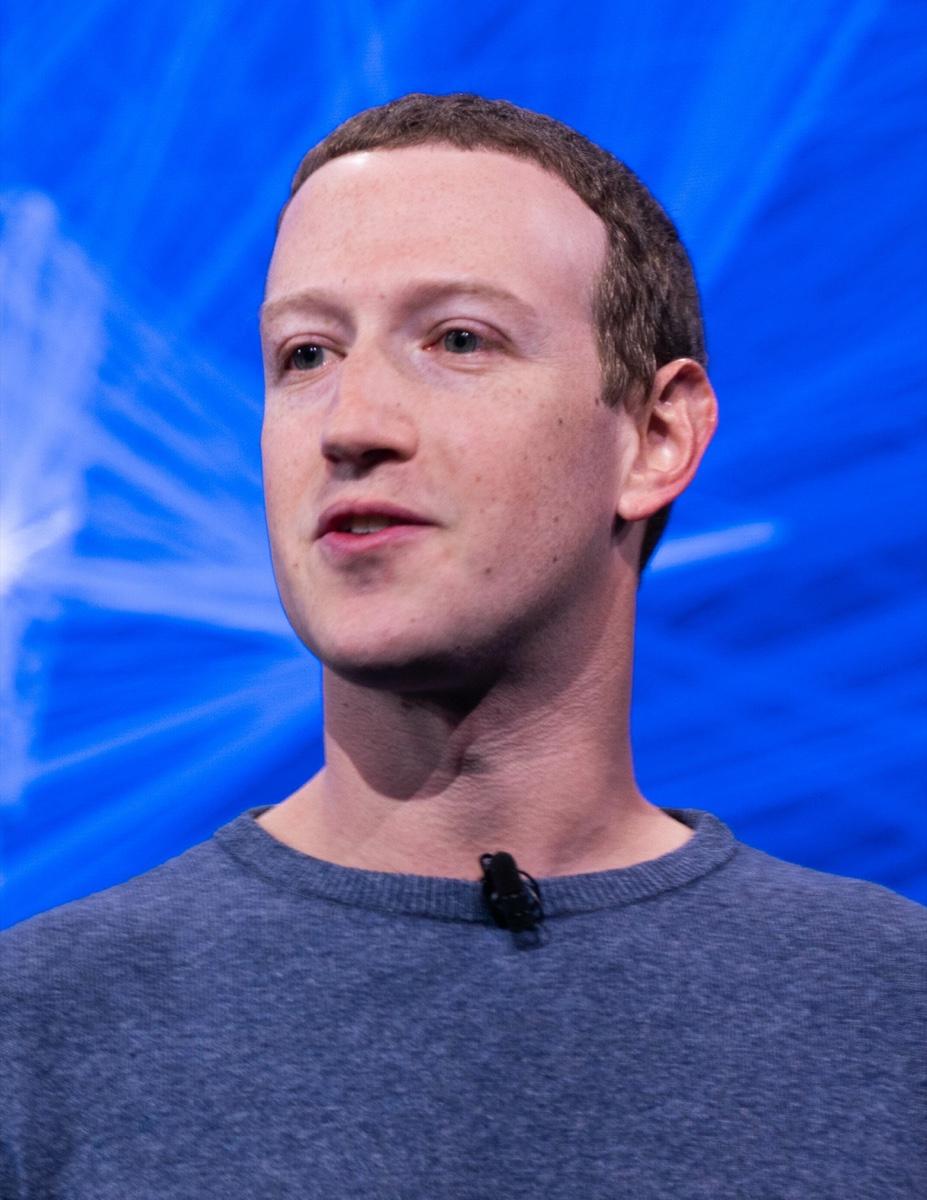
Mark Zuckerberg
Founder & CEO, Meta
Superintelligence for everyone — except the models too powerful to share. Build the future, apologize later, post it on Threads.
Founder-CEO of Meta and the AI race's biggest spender, betting Manhattan-sized data centers on "personal superintelligence for everyone." The open-source evangelist now keeps his most powerful models closed; the fact-checking apparatus he built is gone; and in July 2026 he told staff AI agents were behind schedule weeks before telling the world superintelligence would create jobs. Every pivot lands on his own platforms first.
Basis for the leaning assessment
Has donated across both parties, dropped fact-checking as Trump returned, and frames Meta as politically neutral infrastructure. Historically read as Silicon Valley liberal, recently tacking right; editorially a true centrist toss-up.
Current Stances
Stances are editorial interpretations, always shown with the statements and actions they rest on.
Open source evangelist — with a superintelligence exception
The 2024 manifesto said open source prevents power concentration; by 2025-26, Meta's most powerful models were exactly what he chose not to share.
Supporting statements & actions (2)
2024-07-23Publication
Open source AI is the path forward... it ensures that more people around the world have access to the benefits and opportunities of AI, that power isn't concentrated in the hands of a small number of companies.
Published with the Llama 3.1 release; the definitive statement of his open-source philosophy.
🔥The manifesto set off the great open-vs-closed war of 2024 tech discourse.
In his "Personal Superintelligence" essay, declared superintelligence "in sight" — while hedging that Meta would be "rigorous about mitigating risks" and "careful about what we choose to open source."
The asterisk on a year-old open-source gospel; by 2026 Meta was no longer releasing its most powerful systems.
What Mark Zuckerberg said they would do, in their own words and dated. Where the record settles one, the source for that is shown too. The same goals across everyone are in the promise tracker.
Short-term
Turn Meta's AI infrastructure into a cloud business
The organizing bet of Meta's second act: frontier labs, gigawatt data centers, and superintelligence "in sight" — distributed, he promises, to individuals.
Does each new statement or decision square with the record? Verdicts are not accusations: both sides of the record are presented so readers can judge for themselves. The same readings across everyone on the site are in the consistency index.
Open source AI is the path forward... it ensures that more people around the world have access to the benefits and opportunities of AI, that power isn't concentrated in the hands of a small number of companies.
Published with the Llama 3.1 release; the definitive statement of his open-source philosophy.
🔥The manifesto set off the great open-vs-closed war of 2024 tech discourse.
In his "Personal Superintelligence" essay, declared superintelligence "in sight" — while hedging that Meta would be "rigorous about mitigating risks" and "careful about what we choose to open source."
The asterisk on a year-old open-source gospel; by 2026 Meta was no longer releasing its most powerful systems.
Timeline of Statements & Actions7 records, newest first
2026-07-28Publication
If superintelligence is widely distributed, then I believe we will see more jobs in the future, not fewer. It will be significantly easier to start businesses without raising large amounts of capital.
Part of a coordinated AI-optimism campaign launched the same month he told staff agents were behind schedule.
Told staff at an internal town hall that AI agents had not "accelerated in the way" executives expected — a rare private downgrade of the technology he publicly champions.
Meta shares fell 5% when the remarks leaked; weeks later its AI-cloud pivot sent them soaring.
🔥The leaked town-hall remarks knocked 5% off Meta and trended as "even Zuck admits it."
In his "Personal Superintelligence" essay, declared superintelligence "in sight" — while hedging that Meta would be "rigorous about mitigating risks" and "careful about what we choose to open source."
The asterisk on a year-old open-source gospel; by 2026 Meta was no longer releasing its most powerful systems.
His WSJ case: if everyone gets superintelligence, entrepreneurship explodes and jobs multiply — the direct opposite of Amodei's bloodbath scenario.
Supporting statements & actions (1)
2026-07-28Publication
If superintelligence is widely distributed, then I believe we will see more jobs in the future, not fewer. It will be significantly easier to start businesses without raising large amounts of capital.
Part of a coordinated AI-optimism campaign launched the same month he told staff agents were behind schedule.
Dismantled the fact-checking program he built, calling the 2024 elections a "cultural tipping point" back toward speech — to applause from Trump and alarm from researchers.
Supporting statements & actions (1)
2025-01-07Publication
We're going to get rid of fact-checkers and replace them with community notes similar to X, starting in the US. (...) The recent elections feel like a cultural tipping point towards once again prioritizing speech.
Announced two weeks before Trump's inauguration; Trump praised the move the same day.
🔥The announcement video drew celebration, fury, and a solid month of takes about the Trump-era internet.
The 2024 letter said open source prevents dangerous concentration of AI power. A year later, superintelligence-tier models became the stated exception, and by 2026 Meta was not releasing its most powerful systems. He flagged the caveat himself — "careful about what we choose to open source" — but the philosophy's core claim now excludes the models that matter most. Openness ended where frontier advantage began.
Told staff at an internal town hall that AI agents had not "accelerated in the way" executives expected — a rare private downgrade of the technology he publicly champions.
Meta shares fell 5% when the remarks leaked; weeks later its AI-cloud pivot sent them soaring.
🔥The leaked town-hall remarks knocked 5% off Meta and trended as "even Zuck admits it."
If superintelligence is widely distributed, then I believe we will see more jobs in the future, not fewer. It will be significantly easier to start businesses without raising large amounts of capital.
Part of a coordinated AI-optimism campaign launched the same month he told staff agents were behind schedule.
On July 2 he told staff AI agents hadn't progressed as hoped; on July 28 he told the world superintelligence would multiply jobs and businesses. Both can be true — near-term disappointment, long-term conviction — but the 26-day gap between the private caveat and the public campaign is the sharpest version of the question every AI CEO faces.
2024-07-23Publication
Open source AI is the path forward... it ensures that more people around the world have access to the benefits and opportunities of AI, that power isn't concentrated in the hands of a small number of companies.
Published with the Llama 3.1 release; the definitive statement of his open-source philosophy.
🔥The manifesto set off the great open-vs-closed war of 2024 tech discourse.
We're going to get rid of fact-checkers and replace them with community notes similar to X, starting in the US. (...) The recent elections feel like a cultural tipping point towards once again prioritizing speech.
Announced two weeks before Trump's inauguration; Trump praised the move the same day.
🔥The announcement video drew celebration, fury, and a solid month of takes about the Trump-era internet.
Told staff at an internal town hall that AI agents had not "accelerated in the way" executives expected — a rare private downgrade of the technology he publicly champions.
Meta shares fell 5% when the remarks leaked; weeks later its AI-cloud pivot sent them soaring.
🔥The leaked town-hall remarks knocked 5% off Meta and trended as "even Zuck admits it."
We're going to get rid of fact-checkers and replace them with community notes similar to X, starting in the US. (...) The recent elections feel like a cultural tipping point towards once again prioritizing speech.
Announced two weeks before Trump's inauguration; Trump praised the move the same day.
🔥The announcement video drew celebration, fury, and a solid month of takes about the Trump-era internet.
Open source AI is the path forward... it ensures that more people around the world have access to the benefits and opportunities of AI, that power isn't concentrated in the hands of a small number of companies.
Published with the Llama 3.1 release; the definitive statement of his open-source philosophy.
🔥The manifesto set off the great open-vs-closed war of 2024 tech discourse.